Fair MusE: Behind the Music Stream: who really gets paid?
As streaming giants dominate the global music scene, important questions arise: who actually profits from this model? The third episode of the Fair MusE podcast, “Behind the Music Stream: who really gets paid?”, brings together experts to unpack the complex economics of streaming and its…
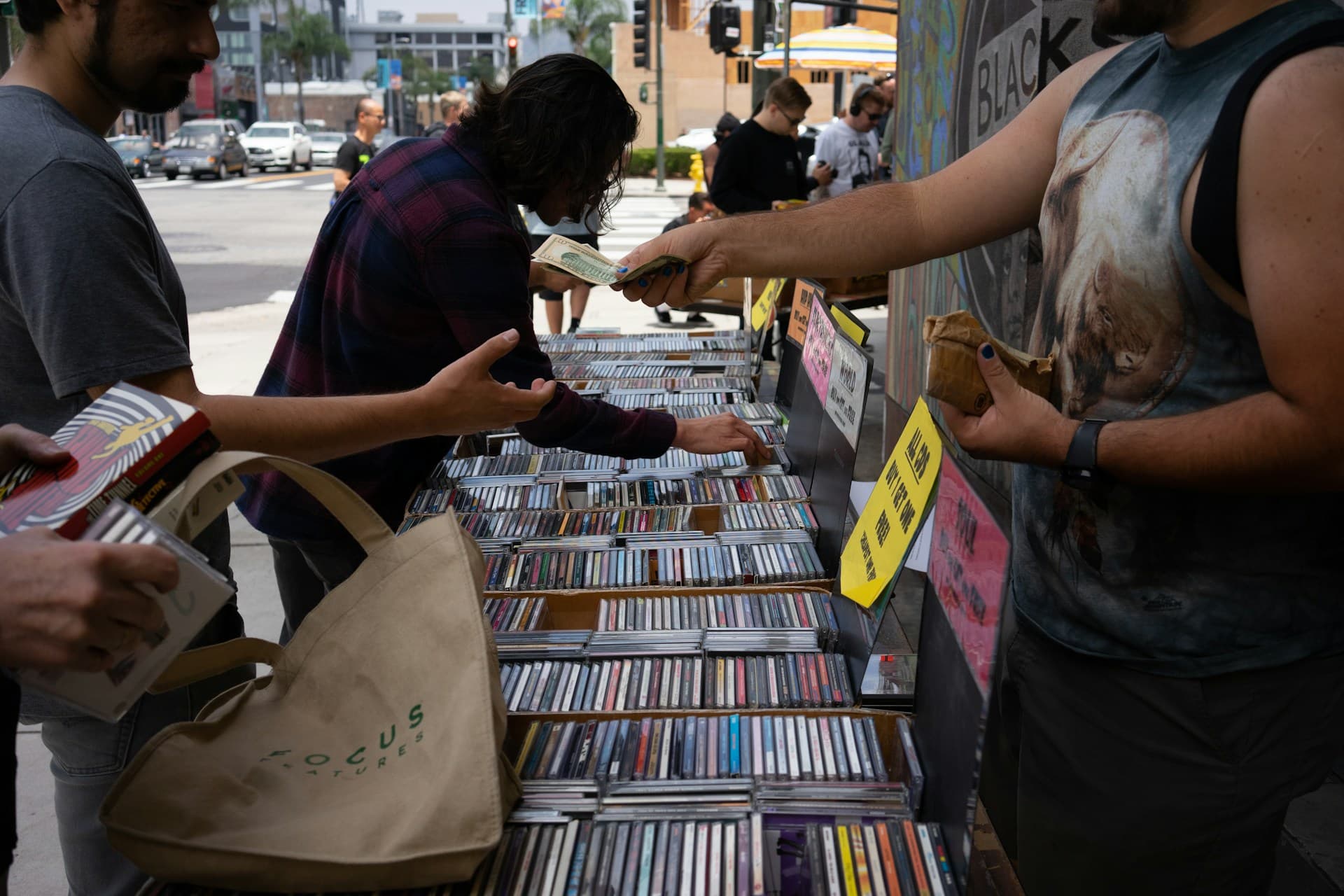
As streaming giants dominate the global music scene, important questions arise: who actually profits from this model? The third episode of the Fair MusE podcast, “Behind the Music Stream: who really gets paid?”, brings together experts to unpack the complex economics of streaming and its far-reaching impact on artists, intermediaries, and audiences.
In the past, record distributors held the keys to the industry. Today, streaming platforms are the new power players. “The rise and now the dominance of music streaming services has changed the configuration of the music industry,” says Heritiana Ranaivoson, co-founder of Fair MusE and a research professor at VUB. While traditional players remain, they are now competing with services like Spotify and YouTube that offer direct access to consumers.
This change has transformed long-established business models. Allen Bargfrede, Managing Director at Advance Advisors, explains: “Previously, you were selling a copy of an album… Now, rights owners license their content to streaming platforms.” Success is now measured in streams rather than physical or digital sales, making streaming a “catalogue game” where owning extensive libraries is critical.
But what happens financially when a track is streamed? Platforms pool monthly revenues from subscriptions and advertising, then distribute them among rights-holders based on total streams. “They do the maths and allocate revenue on a pro rata basis,” Bargfrede says. However, this process is far from simple. After the platform takes its cut, money flows through labels, producers, and collective management organisations before reaching artists. “That’s why the amount per stream going to the artist is very low,” Ranaivoson observes.
This lack of clarity frustrates many musicians who struggle to understand how their earnings are calculated. Giuseppe Mazziotti, Fair MusE’s coordinator and a professor of law, points to the secrecy of licensing agreements as a major obstacle. “As long as these agreements remain secret, we will never know how artists are remunerated or whether they receive a fair share,” he warns. Bargfrede agrees, emphasising transparency as key to improving fairness throughout the system.
Another issue raised is the stagnant subscription pricing. Burak Özgen, Deputy General Manager of GESAC, highlights that despite streaming’s evolution over 15 years, the £9.99 monthly fee has barely changed. “While streaming has become the main mode of music consumption, it still fails to provide most creators with a sustainable income,” he says. Özgen calls for a more mature business model that properly supports creators.
Algorithms now play a significant role in determining what audiences hear. With over 70 million tracks on Spotify, only a small fraction dominates streams. “Big power comes with responsibility,” Özgen notes, urging platforms to encourage diversity and give exposure to niche and European repertoires. Mazziotti also warns of algorithms oversimplifying music, leading to shorter, repetitive songs designed for quick plays.
The rise of Artificial Intelligence adds further complications. AI-generated music, often cheaper and easily promoted by algorithms, could sideline human creators. Özgen warns that 25% of creators’ income may be at risk within eight years if safeguards are not introduced. “AI is a huge threat if not regulated properly. It could also be a great opportunity, but artists are not yet equipped to benefit,” he says.
The podcast ends with a strong message: regulation and transparency are crucial to ensuring a fairer music ecosystem. Özgen suggests diversity targets for playlists and incentives for platforms to support emerging artists. Bargfrede stresses the importance of data sharing to improve efficiency and fairness.
This episode of the Fair MusE podcast highlights the critical moment facing the music industry. Streaming has revolutionised access to music, but structural imbalances persist. To support artists and preserve a diverse musical culture, fairness and transparency must become central to the streaming economy.
Tune in to the full discussion on the Fair MusE podcast, available here:
Journalist:
- Diego Giuliani
Contributors:
- Heritiana Ranaivoson, Co-founder of the FairMuse project and Research Professor at Vrije Universiteit Brussel (VUB) – Pron. Vreie Universitait
- Allen Bargfrede, Managing Director at Advance Advisors
- Burak Özgen, GESAC Deputy General Manager
- Giuseppe Mazziotti, FairMuse project coordinator and principal investigator and Professor in Law and Innovation, Católica Global School of Law in Lisbon