Fair MusE: Metadata: the missing link in music fairness
In its fourth and final episode, the Fair MusE podcast shines a light on an often-overlooked key to fairness in music: metadata. Listeners will hear how this “data about music” influences what songs we discover, how artists get paid, and even cultural policy, and why unlocking this missing link…
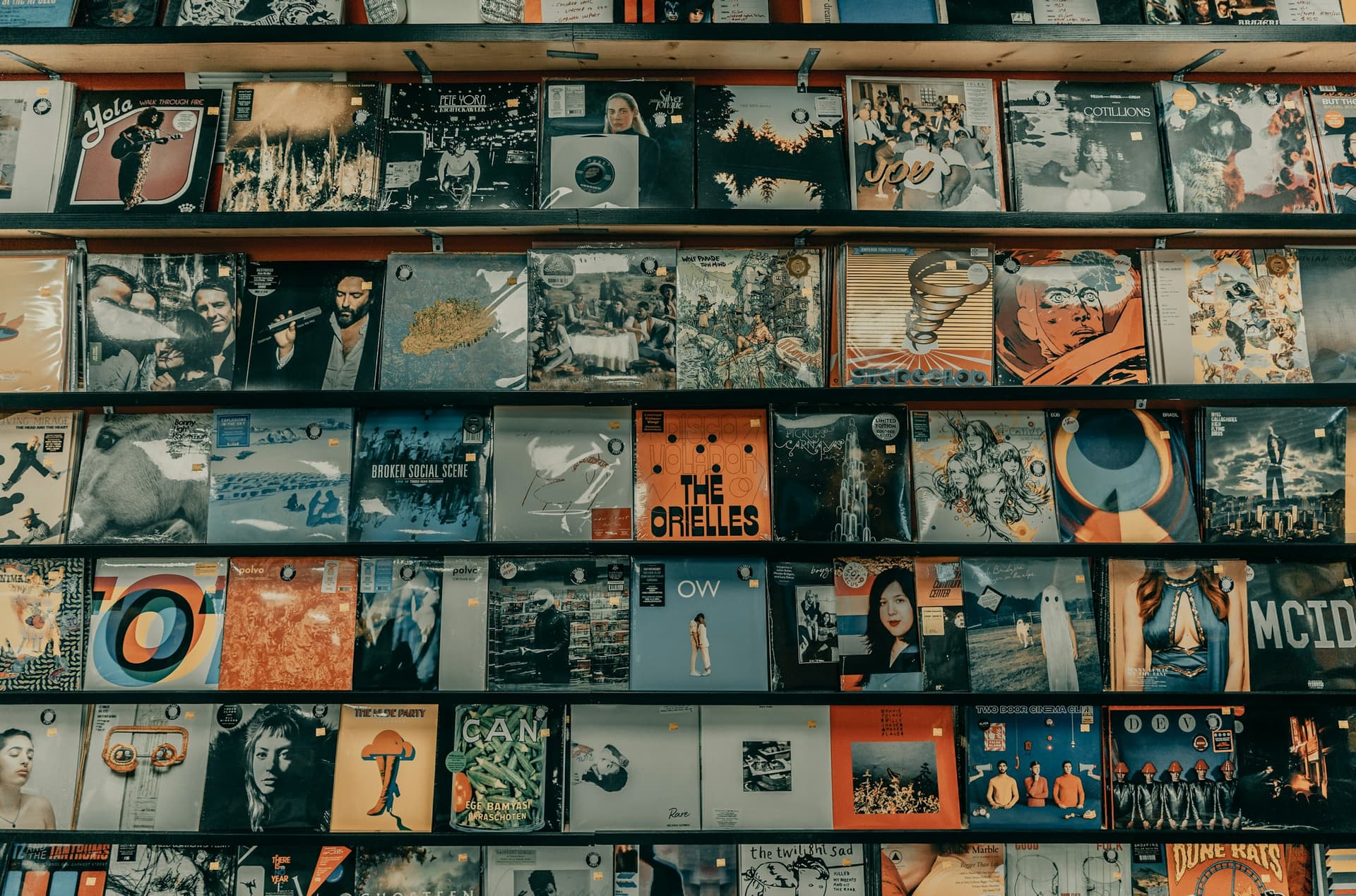
In its fourth and final episode, the Fair MusE podcast shines a light on an often-overlooked key to fairness in music: metadata. Listeners will hear how this “data about music” influences what songs we discover, how artists get paid, and even cultural policy, and why unlocking this missing link could benefit artists, audiences, and society alike.
A single typo in a song credit, an inconsistent artist name across platforms, a missing digital identifier. To most, these are trivial errors. But in the sprawling, algorithm-driven world of digital music streaming, they represent a catastrophic failure: a systemic flaw that is rendering artists invisible, diverting millions in royalties, and threatening the very cultural diversity of our digital soundscape.
The problem, long dismissed as a niche technical issue, is now reaching a critical tipping point. A recent podcast episode from the European research project Fair MusE has thrown a stark spotlight on this “missing link,” bringing together experts to dissect how the data behind the music holds the key to a fairer future for creators and consumers alike. In the podcast’s finale, host Diego Giuliani convened a crucial conversation with James Rhys Edwards, coordinator of the sister initiative Open MusE, and Allen Bargfrede, a veteran music industry lawyer and Managing Director of Avance Advisors. Their diagnosis is clear: the industry’s failure to manage its fundamental data is not just an inconvenience; it’s an existential threat.
At its core, metadata is deceptively simple. “It’s the simple things like the artist’s name and the artist’s record label,” explains Edwards. It’s the track title, the songwriter credits, the publisher information, the genre tags, and the unique digital identifiers that accompany every single song uploaded to platforms like Spotify, Apple Music, and YouTube. Yet, the promise of the streaming era, with its theoretically infinite shelf space where any artist can find an audience, “lives or dies with one thing: discoverability,” as the podcast puts it. And discoverability is entirely governed by metadata.
If this data is inaccurate, incomplete, or inconsistent, an artist effectively ceases to exist within the system. Their music will not appear in relevant searches, it will not be recommended by algorithms, and crucially, any revenue it generates may never find its way home. Edwards offers a personal, striking example: if his own name is spelled differently on two different tracks, “there’s a chance that my royalty payments get lost.” The complex, automated systems that distribute fractions of a penny for every stream fail to recognise the two entries as the same person. A simple typo can mean an artist does not get paid. For the millions of independent creators without the backing of a major label’s administrative army, this is not a hypothetical; it is a daily reality of lost income and squandered opportunity.
The data gatekeepers and the policy black hole
The problem is compounded by a profound lack of transparency. The vast troves of listening data and intricate metadata are held in proprietary silos, locked away by the major streaming platforms. “Currently a lot of data are held in custody by private entities like Spotify… and the public does not have access,” Edwards notes. This creates a black hole for artists and, just as critically, for the very policymakers tasked with nurturing culture.
Without access to this data, governments cannot answer basic questions about their own digital music economy. Which local artists are gaining traction internationally? How does domestic music consumption compare to that of global superstars? Are royalties being distributed fairly and flowing back into the local economy? As Edwards’s Open MusE project seeks to map, these data gaps prevent evidence-based cultural policy. A minister of culture might want to support national talent, but without knowing who or where that talent is succeeding, any intervention is a shot in the dark.
“Nobody knows exactly how big each piece [of the pie] is,” Edwards states, highlighting the opacity of streaming revenue splits. This information vacuum empowers the handful of corporations that hold the data, leaving artists and even governments to navigate blindly. As the podcast’s host observes, data is power. When it remains concentrated in a few private hands, so does the power to shape the market.
A cautionary tale: the industry’s apathy
This is not a new problem, but it is one the industry has actively resisted solving. Allen Bargfrede knows this firsthand. As a music copyright and economics expert, he co-founded a start-up, Verify Media, to tackle the metadata dilemma head-on. “What we were trying to do is create a data sharing system,” he explains, envisioning a secure ecosystem where a record label, a publisher, and a streaming service could all see and verify the same correct information for a song.
Inspired by the buzz around decentralisation, Verify Media experimented with blockchain technology to create a system for “permissioned data sharing.” The goal was to allow different entities to compare and clean their databases with “trusted partners… without feeling that they were giving up control” of their proprietary data. It was an elegant solution to a messy problem.
Yet, as Bargfrede recounts with palpable frustration, Verify Media shut down just a few months ago, defeated by widespread industry apathy. The core issue, he reveals, is that many music companies consider data management “the least sexy part of the story.” Fixing databases and ensuring clerical accuracy is a thankless, expensive task with no immediate, flashy payoff. “It’s a cost centre,” Bargfrede says of the prevailing attitude. Faced with the choice between investing in robust data infrastructure or signing the next potential chart-topper, the decision is almost always the latter. This short-term thinking has left the industry’s foundational plumbing in a state of disrepair.
The ticking clock: an AI-generated tsunami
That neglect is about to have catastrophic consequences. The music industry “already has a metadata issue,” Bargfrede states, leading to massive “inefficiencies in the music marketplace.” But a new, disruptive force is set to amplify this problem exponentially. “The fuse is already burning,” he warns, “and its name is Artificial Intelligence.”
Today, Spotify hosts over 100 million tracks. In the coming years, generative AI will unleash a torrent of new music, multiplying the amount of content by orders of magnitude. “There’s going to be this exponential explosion of content,” Bargfrede predicts. If the industry cannot manage the metadata for the current catalogue, the task of tracking, crediting, and compensating a billion AI-generated songs becomes functionally impossible. For Bargfrede, solving this data problem is no longer a matter of efficiency; it is “of preeminent importance to a next generation music market” and the entire creative community. Getting metadata right has transformed from a back-office chore into a fundamental challenge for the future of music itself.
Forging a path forward: tools and policy
Amid this daunting landscape, projects like Fair MusE are forging practical solutions. Recognising that major labels have teams dedicated to optimising their artists’ data, the Fair MusE team are developing an open-source tool specifically to help independent artists and small labels. “If you’re a solo artist or represented by a small label, you probably don’t” have that support, Edwards notes. This tool will scan an artist’s presence across multiple platforms and databases, flagging inconsistencies in names, credits, and other key information. By empowering artists to spot and correct these errors, the project aims to level the playing field, ensuring their music is discoverable and their royalties are correctly allocated.
This is about more than just money: it is about musical diversity. Without such tools, the algorithms will invariably favour the clean, standardised data of major-label acts, pushing independent and niche music further into the digital shadows.
Alongside technological fixes, a legal and policy push is gaining momentum. The Fair MusE team are scrutinising European legislation, such as the EU Copyright Directive, for legal levers to compel the data gatekeepers to open up. Edwards believes these laws provide a “good basis for at least incentivising if not compelling” platforms to share information for the public good. While no company wants to relinquish a competitive advantage, he argues that the long-term health of the entire ecosystem depends on it. A “rich and diverse music industry,” he contends, will ultimately “help the whole industry including these data custodians.”
The ripple effects could extend far beyond the industry itself. With better data, cultural advocates could draw direct lines between a vibrant local music scene and a booming nightlife, increased tourism, or even regional quality of life. Armed with hard numbers, making the political case for investing in culture becomes far more compelling, especially when, as Edwards acknowledges, “it’s hard to get these issues on [politicians’] list of priorities” in times of global turmoil. Data could “unlock that political will.”
Defending culture for the future
Ultimately, the fight over metadata is a fight for the soul of music. “Music and culture have a long-term, slow-burning impact,” Edwards reminds us. At stake is the cultural richness of Europe and, by extension, the world. Allowing grassroots music scenes and independent artists to wither in the age of streaming would be an irreversible loss. “It will take many, many years to restore it,” he warns. The alternative is to cede the future to “a US-centric entertainment industry monoculture.”
To prevent this, music must be treated as a public good, an essential part of our shared heritage that requires deliberate protection. “There’s nothing wrong with a free market,” Edwards concludes, “but there needs to be a counterbalance” that ensures everyone has access to a “rich, robust music ecosystem.”
The Fair MusE podcast’s final episode serves as both a diagnosis and a call to action. It reveals that the unseen, unglamorous world of metadata is the linchpin for fairness, determining who gets heard, who gets paid, and whose culture is preserved for future generations. Fixing these seemingly small details is the first, essential step in building a more equitable and vibrant musical world for all.