Fair MusE: Music fairness in the streaming era: between endless opportunities and increasing disparities
The Fair MusE project launches its podcast series, offering critical insights into the hidden dynamics of music streaming platforms and their profound impact on independent artists, musical diversity, and industry fairness.
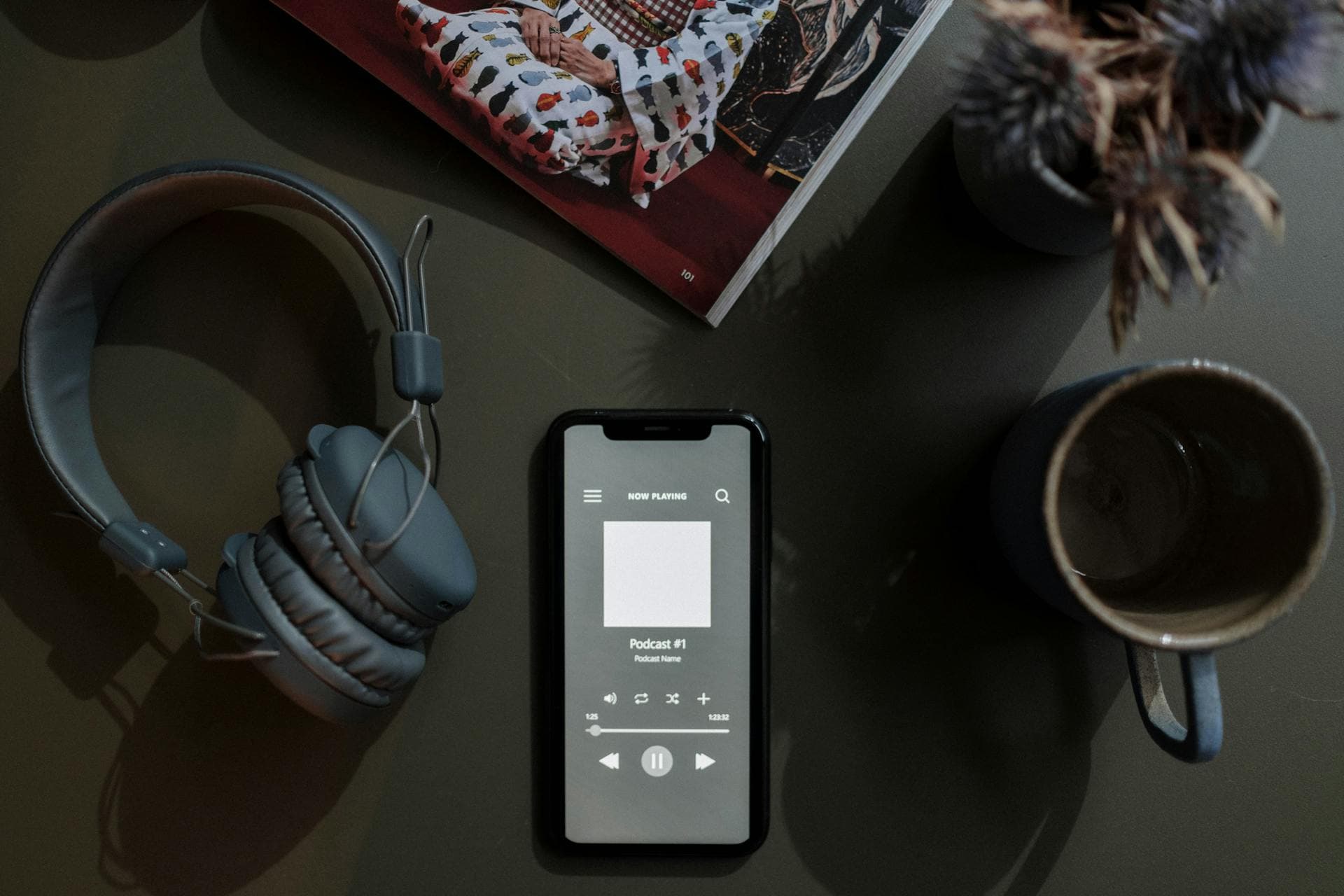
The Fair MusE project launches its podcast series, offering critical insights into the hidden dynamics of music streaming platforms and their profound impact on independent artists, musical diversity, and industry fairness.
The Fair MusE project has launched its first podcast episode, exploring critical questions about the global impact of music streaming platforms on independent artists, niche genres, and cultural diversity. Hosted by journalist Diego Giuliani, the podcast series aims to uncover the hidden dynamics behind the music streaming industry, revealing both the opportunities and significant challenges faced by creators today.
In this debut episode, Giuliani introduces listeners to the story of independent Italian artist Valentina Magistrati (VALENN). Despite releasing music consistently on platforms, VALENN describes the difficulty of gaining sustained visibility, having briefly surged in popularity after being featured on Spotify’s editorial playlist “Indie triste.” This case highlights the enormous influence that streaming algorithms have on shaping artists’ visibility, often favouring already-established names and mainstream genres, while independent and emerging artists struggle to maintain listener engagement.
Antoine Henry, Assistant Professor at Lille University and a contributor to the Fair MusE project, provides expert insights into these self-reinforcing dynamics. He explains how algorithms amplify already-popular artists, creating an ecosystem where success breeds further success. This phenomenon, he argues, diminishes opportunities for smaller artists and threatens musical diversity.
Giuseppe Mazziotti, the coordinator of Fair MusE project, emphasises fairness as a fundamental principle intended to reduce inequalities exacerbated by digital technologies. He underlines the project’s mission to address transparency issues within the digital music market, where creators frequently find themselves disadvantaged.
Adding another perspective, Oyku Dogan, an independent musician and vocal coach, recounts her own fluctuating visibility on streaming platforms, emphasising the sporadic nature of exposure and financial return. Dogan also highlights the lack of transparency in how artists are remunerated, reflecting a broader concern within the industry.
Through interviews and expert analysis, the episode underscores the complex interplay between algorithms, revenue distribution, and music consumption habits, ultimately questioning whether current practices truly support musical diversity and fairness.
The Fair MusE podcast series encourages listeners to reflect critically on their listening choices and the broader implications for the music industry and cultural landscape.
Listen to the first episode now and stay tuned for upcoming discussions that will continue to delve deeper into the pressing issues surrounding music streaming platforms and fairness.
* Cover photo by cottonbro studio.