From Physical Records to Playlists: Who Controls Access Today? | Episode #3
Once upon a time, music was something you owned. Today, it is something you access.
Module resources
Details
Once upon a time, music was something you owned. Today, it is something you access.
This episode follows the transformation from physical records to streaming and social media, revealing how platforms and algorithms have become the new gatekeepers of visibility. Learn how power, discoverability, and data now shape who gets heard and who gets paid.
Module resources
Details
Once upon a time, music was something you owned. Today, it is something you access.
This episode follows the transformation from physical records to streaming and social media, revealing how platforms and algorithms have become the new gatekeepers of visibility. Learn how power, discoverability, and data now shape who gets heard and who gets paid.
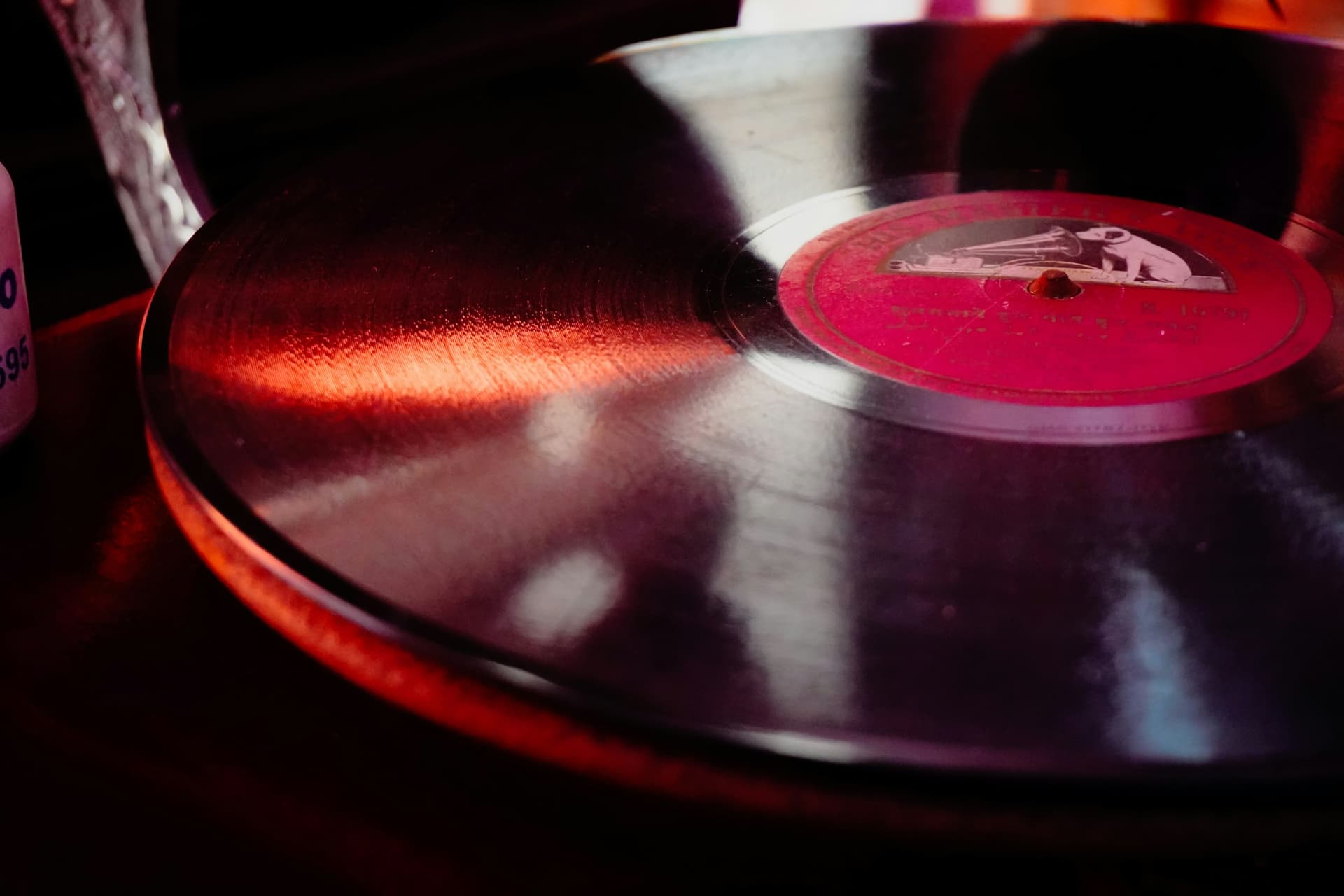
Once upon a time, music lived in physical formats: vinyl records, cassette tapes, CDs — each was a vehicle of sound, a tangible promise that what you bought, you owned.
A record wasn’t just a product; it was an artifact, a token of belonging, a piece of the artist’s world you could hold in your hands.
In that world, access to music was tightly controlled. Record labels and music publishers decided what reached the shelves — and, by extension, your ears. They were the gatekeepers of culture, managing scarcity in an industry built on ownership.
That world would not last. A series of digital revolutions soon redefined not only how we listen, but who decides what we hear.
In this episode, we explore how that transformation unfolded, from the first MP3 files to the algorithmic playlists of today.
Internet and the de-materialisation of sound recordings took music away from their physical form. Initially, MP3s flew across peer-to-peer networks, and for the first time, access started prevailing on ownership. The music industry, long built on scarcity, suddenly faced an era of abundance.
And – in 2001 – then came iTunes, starting an era of internet ‘re-intermediation’.
Apple’s “99 cents a song” model restored a sense of order — but a different kind of order. It marked the beginning of a new hierarchy: one governed not by labels, but by platforms. Apple – at that time – became the new gatekeeper, controlling not artists’ contracts but listeners’ ecosystems. It was the first sign that power was shifting — away from the record label’s boardroom and into the hands of tech giants.
2:15 From downloads to streaming
From iTunes to Spotify, access became frictionless. We no longer collect albums; we curate playlists.
Today, music streaming services — Spotify, Deezer, Apple Music, Amazon Music, SoundCloud — sit at the heart of the music economy. Each combines multiple revenue models: subscription and advertising, sponsorship, business solutions, and even live event tie-ins. Some services partner with telecoms — Deezer with Orange, Spotify with AT&T — while others, like Apple and Amazon, leverage their massive ecosystems, bundling music with devices, Prime memberships, or app suites.
But these platforms do more than deliver songs. They shape what we hear. Their algorithms decide which artists rise, which fade, which genres thrive.
According to Fair MusE’s research, 71 percent of music on Spotify’s catalogue comes from the three major record labels and Merlin, the global digital rights agency representing independent producers. Algorithmic selection and playlist curation have become new forms of gatekeeping — invisible, data-driven, and immensely powerful.
3:47 Major industry players’ adaptations
Major record labels — Universal, Warner, Sony — no longer control distribution, yet they continue to negotiate directly with platforms, securing privileged visibility for their catalogues. They diversify into e-commerce, fan applications, and brand partnerships, redefining what it means to be a “music company.”
Music, as Fair MusE has observed, has become a multi-industry asset — deeply entangled with technology, advertising, and data analytics. Majors now monetise not only songs, but also fandom, experiences, and metrics.
4:28 Independent labels tell a different story.
Indies empower artists through fairer profit splits — sometimes 50/50 — yet their limited resources reduce their leverage. Many therefore rely on collective bargaining through an agency like Merlin, which negotiates digital deals on behalf of independent labels worldwide. It’s a model of solidarity in a landscape increasingly defined by scale.
At the same time, music aggregators — DistroKid, Ditto, FUGA, Bandcamp — have become essential intermediaries for so-called “DIY” (Do-It-Yourself) artists to self-release their music, manage metadata, and collect streaming royalties directly. Some, like Ditto, offer Artist & Repertoire (A&R) services to emerging artists. Others, like Bandcamp, foster direct-to-fan sales — restoring a sense of intimacy and ownership in a post-ownership world.
Every recording carries two identifiers: International Standard Recording Code for the recording and International Standard Work Code for the musical composition. If these codes are missing or mismatched, royalties disappear.
Collecting societies like PRS, GEMA, SACEM, SGAE, SABAM and independent management entities like Unison are investing in real-time dashboards to improve data transparency.
Yet, problems persist. Inaccurate metadata still means lost income for creators — digital invisibility with very real consequences.
6:32 Social Media and the new stage of musical virality.
In this context, social media platforms changed how we discover music — not just how we listen Platforms like YouTube, TikTok, Instagram operate hybrid business models, earning from ads, memberships, sponsorships, and licensing. They are at once broadcasters, data brokers, and trend engines.
TikTok’s design turns sound into social currency. Songs spread through participation — duets, dances, remixes — transforming users into co-creators. ByteDance’s SoundOn platform allows artists to upload their tracks and keep 100 percent of royalties if they release within TikTok’s ecosystem.
Yet these new circuits of visibility come with familiar tensions. TikTok pays labels via lump-sum licensing deals, detached from actual plays. YouTube’s Content ID automates copyright management but reinforces the dominance of major rights holders. For many artists, the promise of exposure replaces the promise of remuneration.
8:08 Exposure and, so, discoverability has become the new frontier.
In the age of streaming, discoverability — not access — is the real bottleneck.
Fair MusE’s research findings offer the first large-scale evidence of how algorithms shape who gets heard. Researchers examined millions of listening events from users across Europe, comparing them with curated radio playlists. The results reveal a paradox: while streaming platforms offer more choice than radio, listening patterns remain highly concentrated.
Fair MusE found that streaming platforms show moderate inequality in what users hear — better than radio’s concentration, but still far from the promise of diversity. In practice, a small fraction of artists capture the majority of attention.
9:01 The problem isn’t availability. It’s visibility.
The abundance of content masks a scarcity of exposure.
Algorithms, optimized for engagement, tend to amplify what’s already successful, reinforcing popularity instead of broadening horizons. The more a song performs, the more it’s recommended — a “rich-get-richer” logic encoded in code.
And there’s another problem: opacity.
Spotify and YouTube Music do not disclose whether a track was played by user choice or algorithmic suggestion, making it impossible to track how automated recommendations steer listening habits. Only Apple Music provides this data.
10:03 A structural “blind spot”
Without transparency, we can’t tell whether the diversity we perceive is real or simulated. Fair MusE researchers describe this as a structural “blind spot” — a mix of algorithmic opacity and metadata fragmentation.
Missing metadata about artists’ gender, origin, or label affiliation makes it impossible to assess equity in exposure. This hidden infrastructure of data silently shapes which creators thrive and which remain unheard.
Ultimately, Fair MusE concludes that algorithms have democratized access but centralized attention. In the streaming era, the abundance of content conceals a new scarcity — that of visibility. Without transparent metadata and auditable recommendation systems, diversity risks becoming a statistical illusion rather than a lived cultural reality.
11:03 So, who controls access today?
Power has shifted, but it has not dissolved.
It has moved from record executives to platform engineers, from contracts to algorithms, from gatekeepers of taste to gatekeepers of data.
Fair MusE’s findings suggest that the future of music depends on algorithmic accountability — developing fairness indicators, audit tools, and policy standards that ensure that visibility is not dictated solely by market logic or machine prediction.
11:46 Conclusion and Looking Ahead
Music, once a discrete product, is now an ecosystem — a continuous feedback loop of creation, distribution, data, and emotion.
The gatekeepers have changed, but the central question remains: Who decides what — and who — we listen to?
In our next episode, we’ll follow this question into the heart of regulation — where Europe’s lawmakers, competition authorities, and national courts attempt to redefine fairness in a platform-driven world. Can they turn principles into practice?
If you missed our previous episodes, you can go back to discover how authors’ rights emerged and evolved before the digital age. A story that sets the stage for today’s challenges